
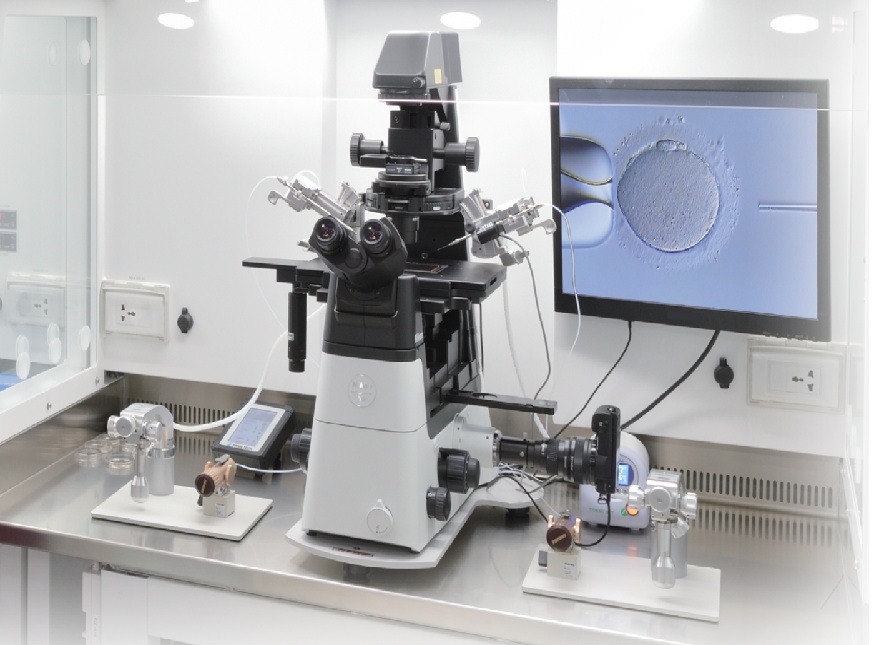
The Ti2 inverted research microscope is presented here in its Ti2-U manual configuration for cell culture observation, transmitted-light microscopy and configurable imaging workflows. Built around Nikon CFI60 infinity optics, the Ti2-U can be specified with compatible objectives, condensers, stages, contrast components and camera accessories according to the sample type, culture vessel and documentation requirements.
Ti2-U Configuration Overview
The Ti2-U is designed for laboratories that need a flexible manual inverted microscope platform. Its configuration can be matched with compatible objectives, condensers, stages, specimen holders, observation tubes and camera accessories. The final system should be selected as a complete configuration rather than as a single fixed specification.
Depending on the selected accessories, the Ti2-U can support transmitted-light observation, phase contrast, differential interference contrast (DIC), fluorescence observation and imaging documentation. Exact compatibility should be confirmed for the intended application before quotation.
Choose the Observation Method for Your Workflow
Brightfield and Transmitted-Light Observation
The Ti2-U can be configured for routine transmitted-light observation of cells and specimens in compatible culture vessels. Compatible condensers, objectives, stages and sample holders should be selected according to the vessel format, required magnification and working distance.
Phase Contrast and DIC
Phase contrast components can be selected for observing unstained or low-contrast specimens. Compatible apodized phase contrast and differential interference contrast (DIC) components may also be selected for applications that require increased contrast and image detail. The final objective, condenser and contrast accessory combination should be confirmed for the intended workflow.
Fluorescence Observation
The Ti2-U can be configured with compatible epi-fluorescence modules, filter cubes, illumination sources and fluorescence objectives. These components should be selected according to the fluorophores, filter requirements, imaging workflow and camera configuration. Fluorescence is a configurable option, not a standard feature of every Ti2-U system.
Manual Operation and Imaging Documentation
The Ti2-U provides a manual operation approach for routine research observation. Its layout can be configured with compatible observation tubes, camera ports and imaging adapters when image documentation is required. A camera and imaging path should be chosen according to the sensor format, required field of view and acquisition requirements.
Manual stages and compatible specimen holders can be selected for different culture vessels and sample formats. The final stage, holder and objective selection should be based on the planned laboratory workflow rather than assumed as included by default.
This makes the Ti2-U suitable for laboratories that require a practical, configurable platform for daily research observation and image documentation.
Configurable Accessories for Research Workflows
The Ti2-U supports a modular approach to configuration. Depending on the required workflow, compatible accessories can include objective nosepieces, condensers, contrast components, fluorescence filter cube turrets, camera adapters, specimen holders and illumination options.
For imaging documentation, the microscope can be configured with a suitable camera and compatible acquisition software. Software functions and third-party device integration should be confirmed against the selected hardware and intended use.
Configure the Ti2-U for Your Research Workflow
Before requesting a quotation, please prepare the following information:
- Sample type, culture vessel and preparation method
- Required observation method: transmitted light, phase contrast, DIC, fluorescence or another workflow
- Required objective magnifications, field of view and working distance
- Whether a camera or image documentation is required
- Whether fluorescence filters, specimen holders, contrast accessories or other components are needed
This information helps Cuihe recommend a compatible Ti2-U configuration and suitable accessories for your application.
Request a Ti2-U Configuration
The Ti2-U is a configurable manual inverted research microscope platform rather than a single fixed specification. Contact Cuihe with your application, observation requirements and planned workflow to discuss a suitable configuration.
Related Reading
For help selecting an inverted microscope for cell culture, read our guide: How to Choose an Inverted Microscope for Cell Culture.